Table of contents
Navigating today’s financial landscape requires trust and clarity in every transaction. One of the essential mechanisms driving this transparency is the use of LEI numbers. Discover how this unique identifier is transforming the way organizations conduct business, ensuring security and accountability at every step. Dive into the following paragraphs to uncover the pivotal role LEI numbers play in fostering a transparent financial environment.
What is an LEI number?
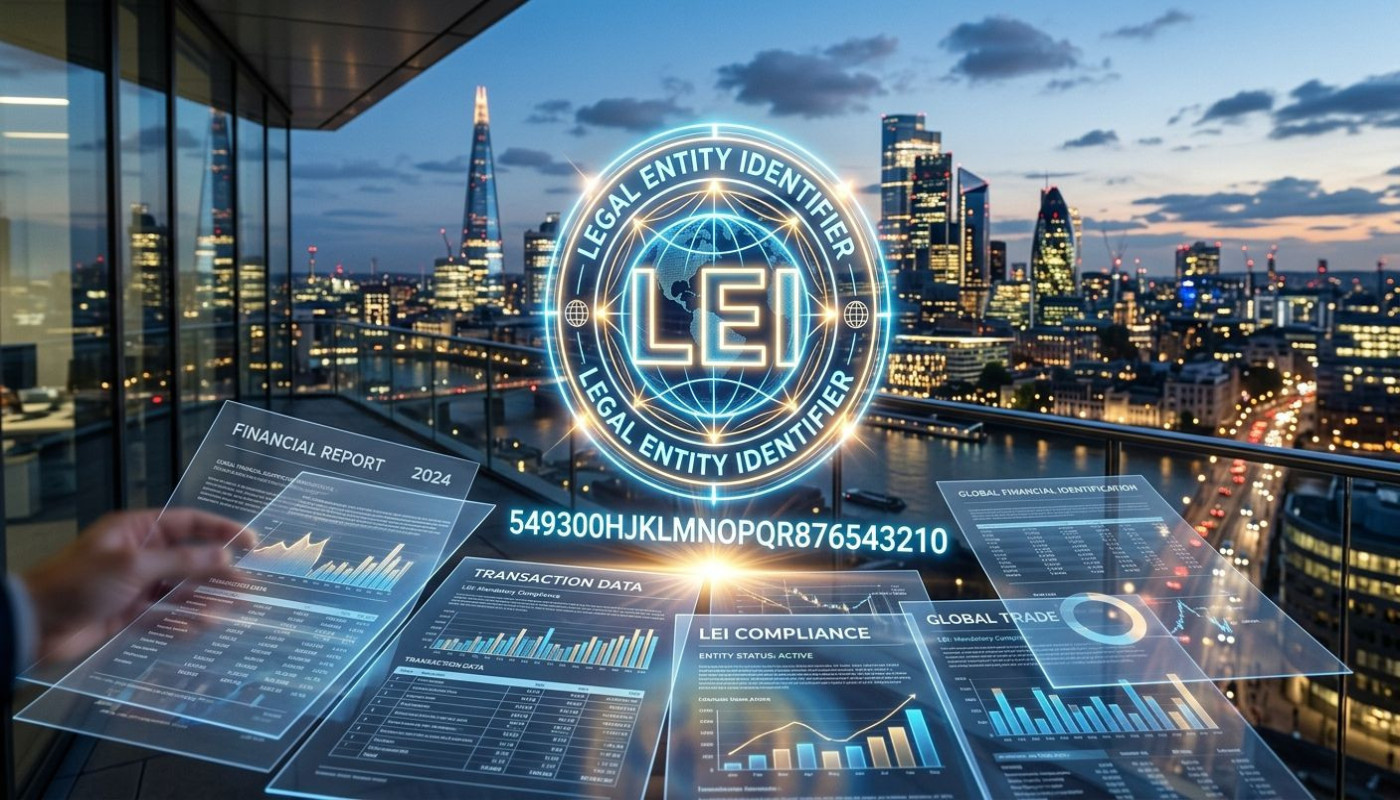
The Legal Entity Identifier (LEI) number acts as a standardized reference code, designed specifically for unique identification of legal entities participating in financial transactions within global finance. This 20-character, alpha-numeric code links to key reference information, allowing regulators and market participants to easily determine 'who is who' in the marketplace. The LEI number system was developed in response to the need for increased transparency and risk management across international financial markets, particularly following the 2008 financial crisis.
Assigning a Legal Entity Identifier to organizations engaged in trading and investment activity streamlines compliance with international regulations, while also supporting accurate reporting, monitoring, and analysis of cross-border operations. LEI numbers help verify the legal status and organizational structure of companies, minimizing the chance for fraud or misrepresentation in financial transactions. By enabling unique identification of every party involved, the LEI system strengthens trust in global finance and fosters greater transparency in increasingly complex financial networks.
Enhancing transaction transparency
LEI numbers play a pivotal role in boosting transaction transparency by offering a standardized, verifiable means of identifying financial entities worldwide. By assigning each organization a unique identifier, LEI numbers remove ambiguity in cross-border trades, syndicated loans, and a wide range of other financial activities. This improves data traceability and enables compliance teams to accurately track the data lineage of each transaction, ensuring that every party involved can be reliably identified. Such clarity helps financial institutions adhere to anti-money laundering regulations, mitigate risk, and maintain robust compliance frameworks. For multinational organizations, LEI numbers foster a transparent environment that supports regulators and internal teams in monitoring large-scale financial movements and preventing illicit activities, making the financial system safer and more accountable for all participants.
Streamlining regulatory reporting
LEI numbers play a transformative role in regulatory harmonization by providing a standardized, globally recognized identifier for legal entities involved in financial transactions. This unique identification system simplifies and unifies regulatory reporting requirements across various jurisdictions, reducing discrepancies and ambiguities in entity recognition. As a result, cross-border transactions benefit from increased transparency and trust, since regulators and counterparties can instantly verify the identity of participating organizations. The adoption of LEI registration boosts reporting efficiency by automating much of the compliance process, enabling financial institutions to meet complex compliance requirements with greater accuracy and speed.
With regulatory frameworks growing ever more complex, especially in markets with significant international activity, LEIs help financial institutions harmonize their processes, reducing the operational burden and cost associated with compliance. Entities engaged in cross-border operations, such as firms obtaining a lei number dubai, can use this identifier to streamline communications with regulatory bodies and counterparties, ensuring seamless regulatory reporting and minimizing the risk of errors or delays. This consistent approach to identification enhances both regulatory oversight and operational efficiency, setting a new standard for global financial market transparency.
Strengthening risk management
LEI numbers play a pivotal role in risk management by offering precise entity verification and enabling organizations to accurately identify counterparties in complex financial networks. Leveraging LEI data allows firms to enhance their risk assessment processes, as it streamlines the identification of all parties involved in a transaction, helping to expose hidden connections and concentrations of exposure. This transparency is essential for evaluating counterparty risk, since it provides a standardized global identifier that eliminates ambiguities around corporate structures and ownership hierarchies. As a result, organizations can better assess the financial health and reliability of their partners, making informed decisions about credit limits, trading activities, and overall exposure.
Beyond individual transactions, the widespread adoption of LEI numbers significantly bolsters systemic risk prevention across the financial industry. Regulatory authorities and financial institutions can aggregate LEI data to monitor interconnectedness and potential contagion pathways, which is key to maintaining financial safety. By mandating LEI use, regulators support robust risk management frameworks that detect early warning signs of instability, thus safeguarding the broader financial ecosystem. The integration of LEI numbers into daily operations not only advances counterparty identification but also empowers organizations to proactively address vulnerabilities before they escalate into larger systemic threats.
Driving operational efficiency
Adoption of LEI integration plays a pivotal role in driving operational efficiency across the financial sector. LEI numbers simplify entity identification, allowing for smooth straight-through processing (STP) that significantly increases processing speed and minimizes manual intervention. Process automation is enhanced as standardized LEI data can be seamlessly incorporated into financial systems, reducing the likelihood of mismatches and errors during entity verification. This error reduction not only supports compliance requirements but also lowers operational risk, leading to faster settlement cycles and improved customer experience for all parties involved.
Financial institutions and market infrastructures leveraging LEI integration benefit from highly efficient workflows and increased interoperability between internal and external platforms. The standardized use of LEI numbers ensures that disparate financial systems communicate effortlessly, supporting automation initiatives and further reducing administrative burdens. Through these improvements, process automation is fully realized, enabling institutions to allocate resources more effectively and focus on value-added activities rather than repetitive data validation tasks. This operational efficiency ultimately enhances the reliability and integrity of the entire financial marketplace.
Similar